
 English
 Spanish
 Russian
25
Jun
Operation of electric hoist in Australia
Electric hoists are widely used, compact lifting devices. Different types are suited to specific operational scenarios. The following are the mainstream classification methods:
✅ 1. Classification by lifting medium
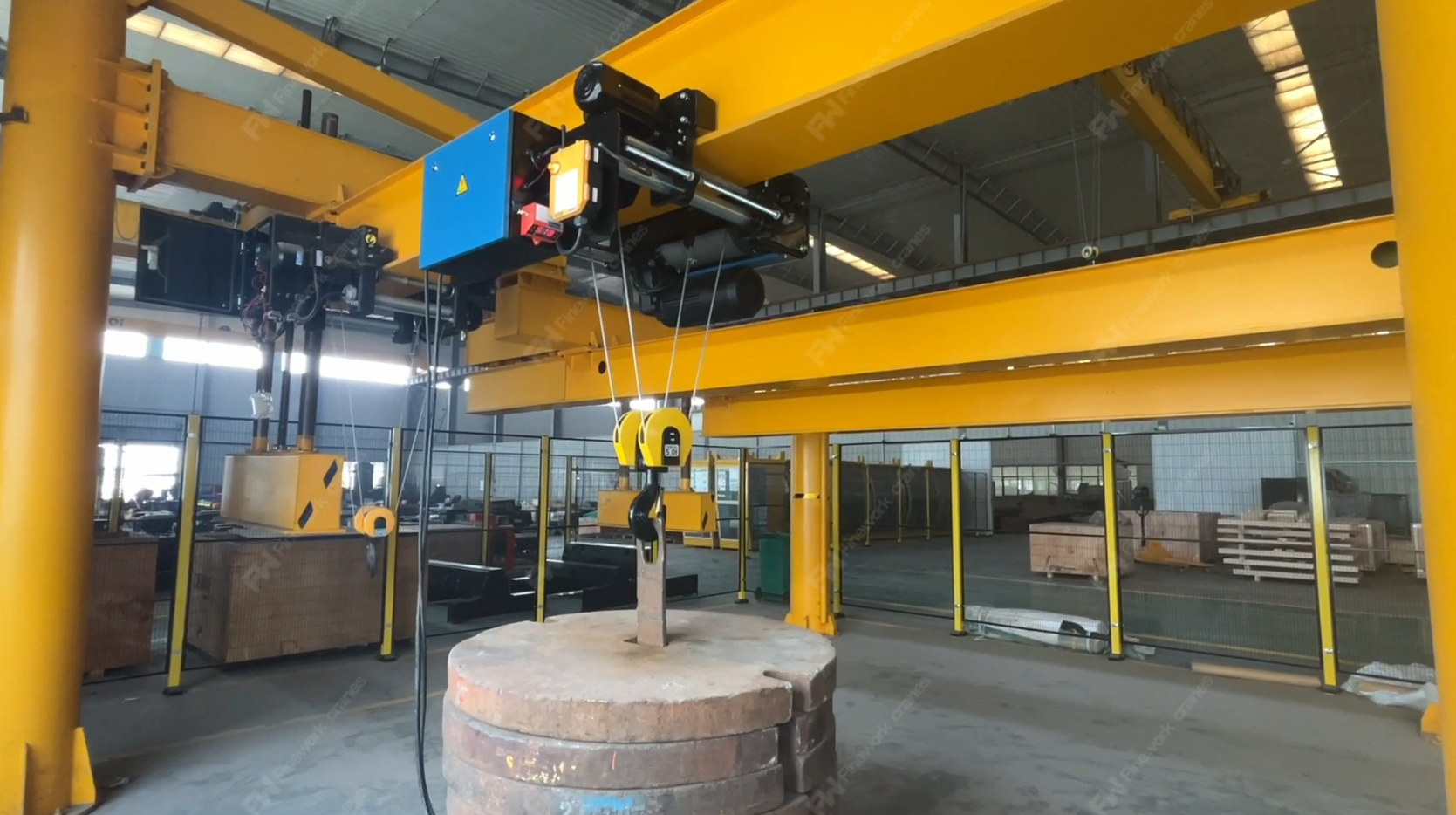
Wire rope electric hoist
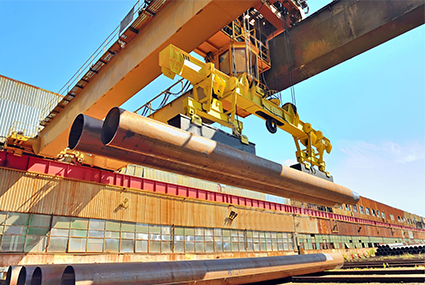
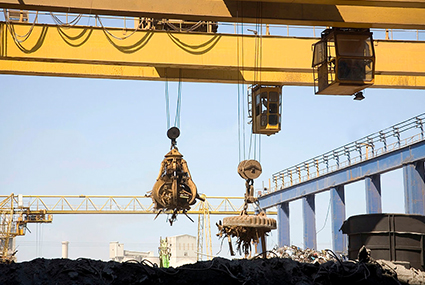
Uses multi-strand wire rope wound around a drum to lift heavy loads. Lifting capacities range from 1 to 80 tons, and lifting heights reach 3 to 30 meters. They offer high operating speeds and are suitable for heavy-load, high-lift applications such as ports and metallurgy.
Electric chain hoist
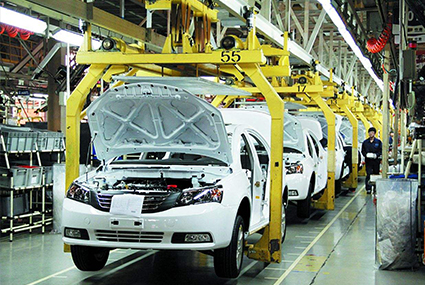
Uses an alloy steel chain drive mechanism. These hoists feature a compact structure and lightweight design; the chains are wear-resistant and low maintenance, making them widely used in machining and assembly line operations.
✅ 2. Classification by speed control
Single speed type (CD1)
Features only one fixed lifting speed. Typically rated at duty class M3, it offers a simple, cost-effective structure that meets standard lifting requirements.
Dual speed type (MD1)
Offers both standard and slow speed settings. The low-speed mode ensures smooth operation, making it suitable for precision machining and lifting tasks that require accurate positioning.
✅ 3. Classification by operating mode
Stationary electric hoist
Mounted directly at a fixed point, allowing only for the vertical lifting and lowering of loads. Suitable for repetitive, single-point tasks such as warehouse loading/unloading and equipment maintenance.
Traveling electric hoist
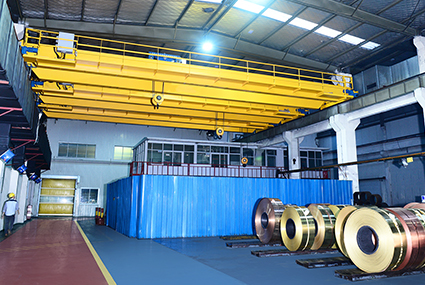
Equipped with an electric or manual trolley, allowing horizontal movement along an I-beam track. This provides a wider operational range, meeting the needs for transporting heavy loads across multiple workstations.